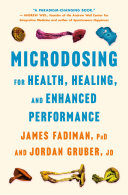
Microdosing for Health, Healing, and Enhanced Performance
The clinical era
practitioner reference, not medical evidence
The current microdosing reference, built from decades of collected self-reports.
Every book here is summarized in plain language and labelled for what it is: research, a practitioner guide, or one person's account. Nothing on this shelf is for sale, and no link on this page pays us.
Thirty-seven is a lot to choose from. These two are where we send people new to the subject, and here is why.
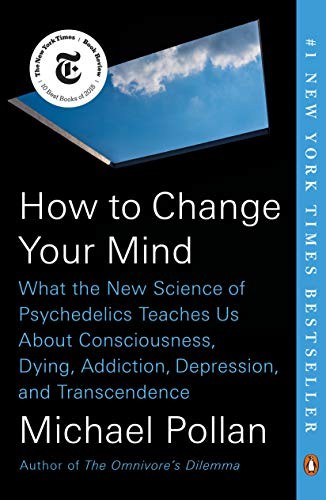
Read this one first. It is the book that carried psilocybin research to a general audience, and most arguments you will meet about it are downstream of this.
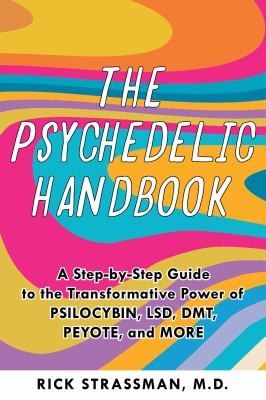
Read this one second, when you want the compounds told apart. A physician takes psilocybin, LSD, ketamine, MDMA and DMT in turn, a chapter each, in plain language.
The current microdosing reference, built from decades of collected self-reports.
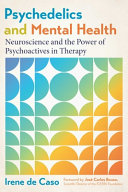
What psychedelics do to neurons and circuits, for readers without the background.
Strassman walks the major compounds in plain language, roughly a chapter each.
Pollan brought the revival to a general audience. Usually the first one people read.
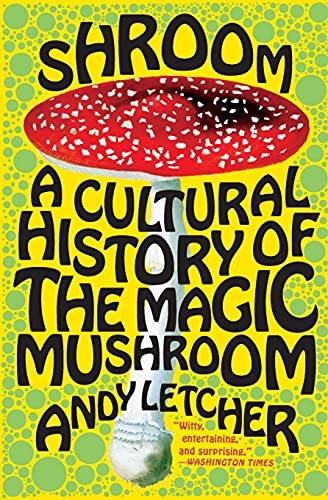
The standard history, and the one that checks the field's favourite stories. Start here.
Eugenia Bone reports how people actually use mushrooms now, microdose to heroic.
Pursell walks psilocybin therapy from the chemistry through to the practice.
One man's multi-year use of psychedelics for trauma, and what he would tell you to do.
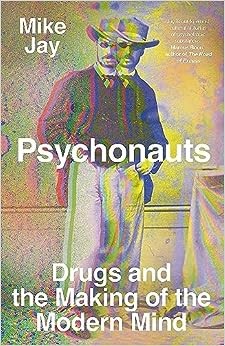
Two centuries of people experimenting on themselves, and what it did to medicine.
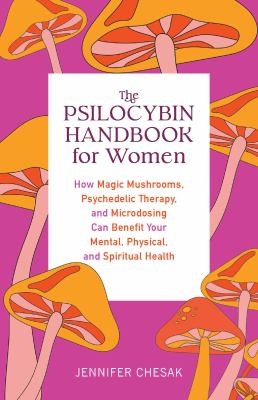
The psilocybin questions that get asked less often, because they are women's.
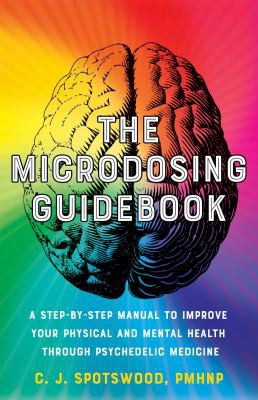
A psychiatric nurse practitioner's step-by-step microdosing manual.
Khamsehzadeh ties mushrooms to mind and human development. Wide-ranging.
The Stamets Stack protocol, short and self-published. A method with no trial behind it.
Sheldrake on what fungi actually are. Barely about psilocybin, worth the detour.
Did psychedelic sacraments shape early Christianity? A classicist makes the case.
Bett Williams lived with mushrooms in New Mexico for years. A literary memoir.
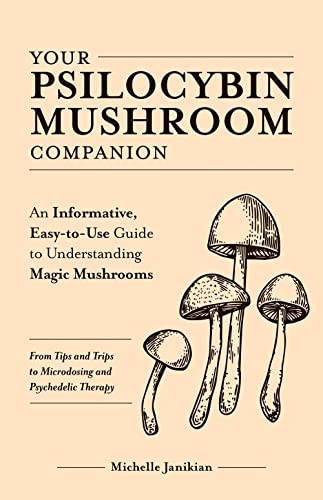
A harm-reduction guide: dosing, sitting, set and setting, written plainly.
Interviews with the researchers who restarted the field, in their own words.
Using psilocybin as medicine, recounted with no clinician in the room.
Leary's Harvard papers, before the myth. Edited and annotated by a scholar.
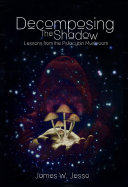
One person's psychological model of the mushroom experience, built from his own.
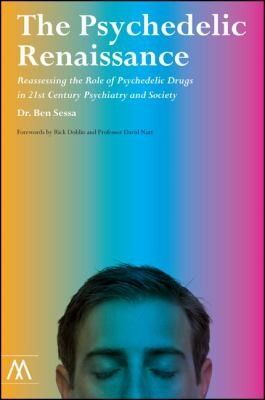
Sessa makes the psychiatric case, just before the modern trials arrived.
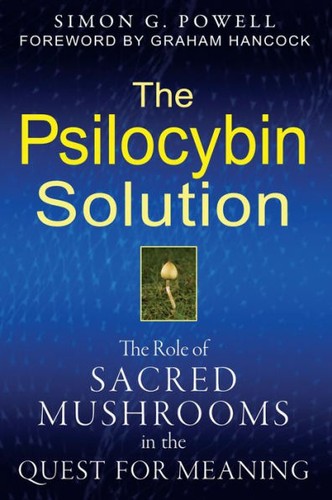
Powell argues mushrooms drive meaning-making. Interpretive, and it says so.
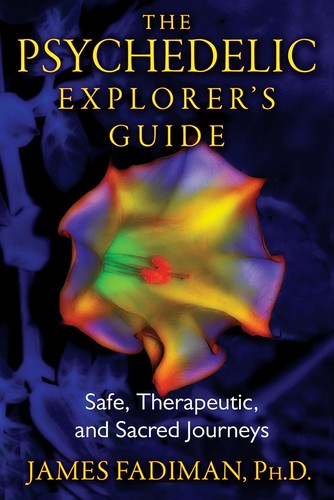
The dose protocols that popularised microdosing. One practitioner's method, no trial behind it.
Saskatchewan ran a psychedelic psychiatry programme for a decade. What happened to it.
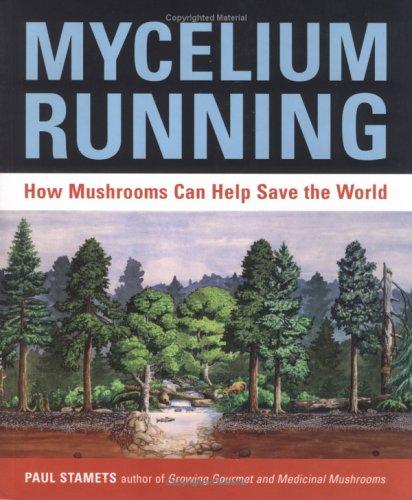
Fungi as infrastructure. Barely a psilocybin book, and the best thing here on mycelium.
Thirty-odd contributors on psilocybin, from the chemistry through to the ceremonies.
The book that made psychedelic writing publishable again. Iboga, ayahuasca, Burning Man.
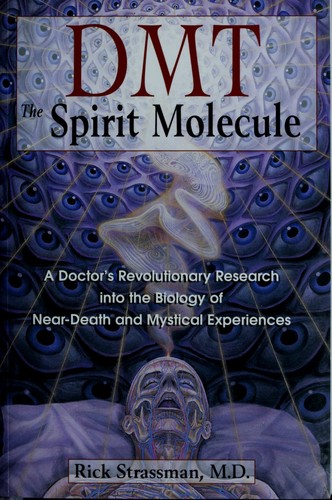
Sixty volunteers, government-approved DMT sessions, and the psychiatrist who ran them writing it up.
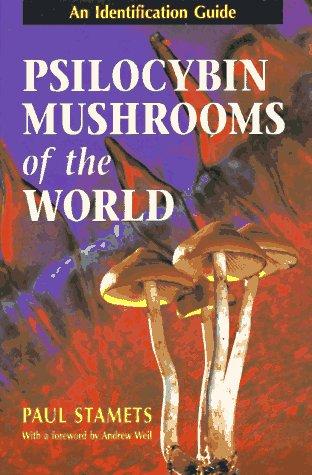
Stamets on a hundred psilocybin species worldwide, and the deadly ones they resemble.
The Amazon expedition, the mushrooms, and the theory McKenna built on top of both.
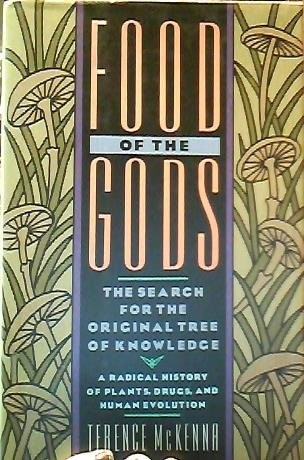
McKenna's big claim, that psychoactive plants shaped human consciousness. Read it as argument.
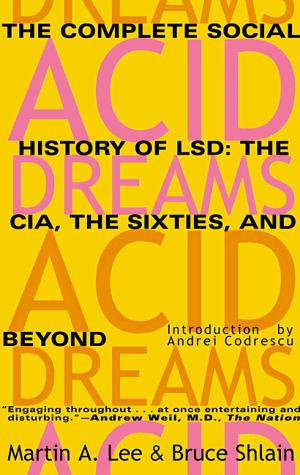
How LSD travelled from CIA project to counterculture to Schedule I. The politics, documented.
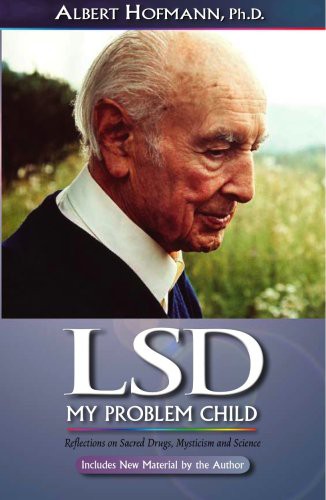
Hofmann made LSD, then watched what the world did with it. His own account.
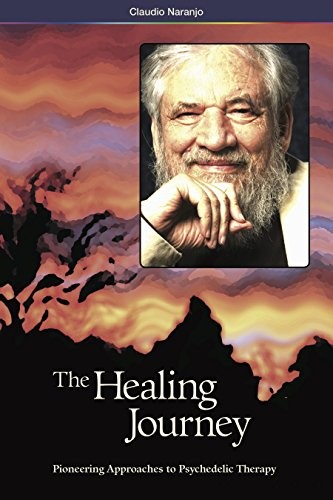
Case notes from a Chilean psychiatrist, taken before the research stopped.
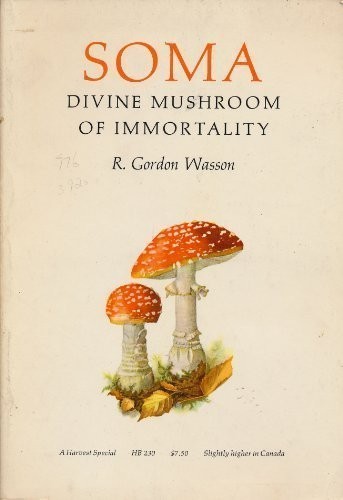
The banker-turned-scholar who argued the Vedic Soma was a mushroom, and started a field.
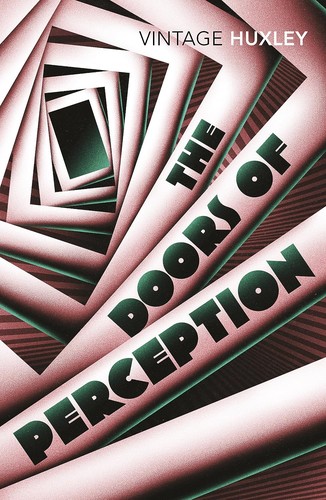
The 1954 mescaline essay that every later psychedelic writer is answering, knowingly or not.
For reference only. The works listed here are third-party publications; listing is not endorsement, and nothing here is a medical or efficacy claim. A book is a reference, not clinical evidence: the register and our analyses never cite one as proof. How titles are chosen and checked is set out in the methodology. Rights holders can request removal.